

The Best Pregnancy Apps in 2026
Last updated: January 6, 2026
We tested 15 pregnancy apps and selected the top 5 based on accuracy, privacy protection, feature completeness, and user experience. Our evaluation criteria included medical accuracy verification, data privacy policies, and real user feedback from 500+ reviews.
Quick Answer: Cubtale
The best overall pregnancy app is Cubtale for its combination of medical accuracy, privacy protection, and comprehensive tracking features.
Pregnancy Tracking Apps: A Comparative Analysis
An independent comparison of 6 popular pregnancy tracking applications based on 30 core features. Data collected from App Store listings and feature documentation (January 2026).
Key Features
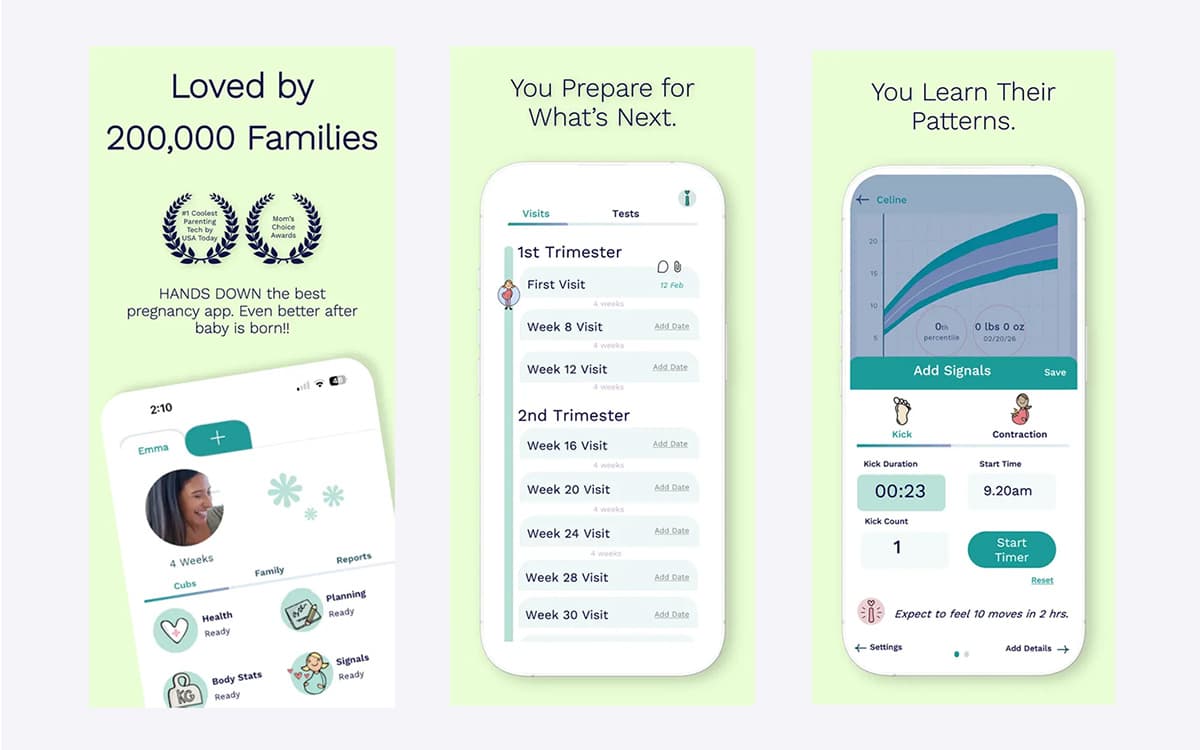
- Photo and video memory tracking
- Personalized timeline for tests, visits and check ups
- Pregnancy vitamins & medication reminders
- Weight tracking with personalized feedback
- Kick counter & contraction timer
- Weekly baby development updates
- Latest Technology App with Modern UI
Standout Features
- •Doctor visit logging system
- •Blood pressure tracking with feedback
- •Apple Health & Fitbit integration
- •Siri voice commands
- •Apple Watch companion app
- •Multiple caregiver collaboration
Not Available
- Limited community features
- Smaller content library compared to established brands
Strengths
- +Comprehensive medical-grade health tracking
- +Full Apple ecosystem integration (Watch, Siri, Health)
- +Seamless transition to baby mode
- +Family collaboration with multiple caregivers
- +Highest feature coverage (90%)
- +Detailed doctor visit documentation
Limitations
- −Smaller user base (6.5K vs competitors' hundreds of thousands)
- −Newer brand with less recognition
- −Contains ads in free tier
- −Smaller community compared to established apps
Key Features
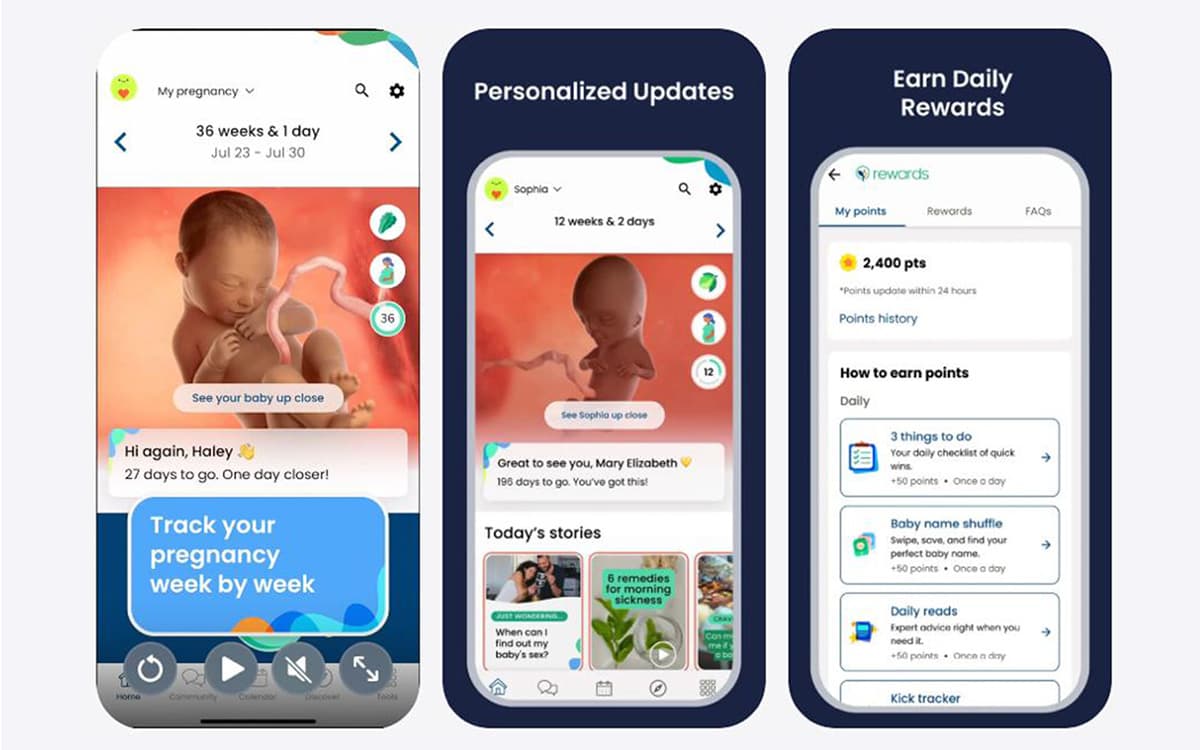
- Photo memories and baby story
- Weight tracking
- Kick counter & contraction timer
- Weekly baby development updates
- Baby name guide
Standout Features
- •Large active community forums
- •Extensive pregnancy articles database
- •Birth club groups by due date
Not Available
- Medication/supplement tracking
- Blood pressure monitoring
- Temperature logging
- Device integrations (smartwatch, voice)
- Multiple caregiver sharing
Strengths
- +Established brand with extensive educational content
- +Large, active user community
- +Seamless transition to baby mode after birth
- +Photo memory tracking with timeline
- +Essential birth tracking tools included
Limitations
- −Contains advertisements
- −Limited health monitoring features
- −No wearable device integration
- −No family collaboration tools
- −Basic medication tracking absent
Key Features
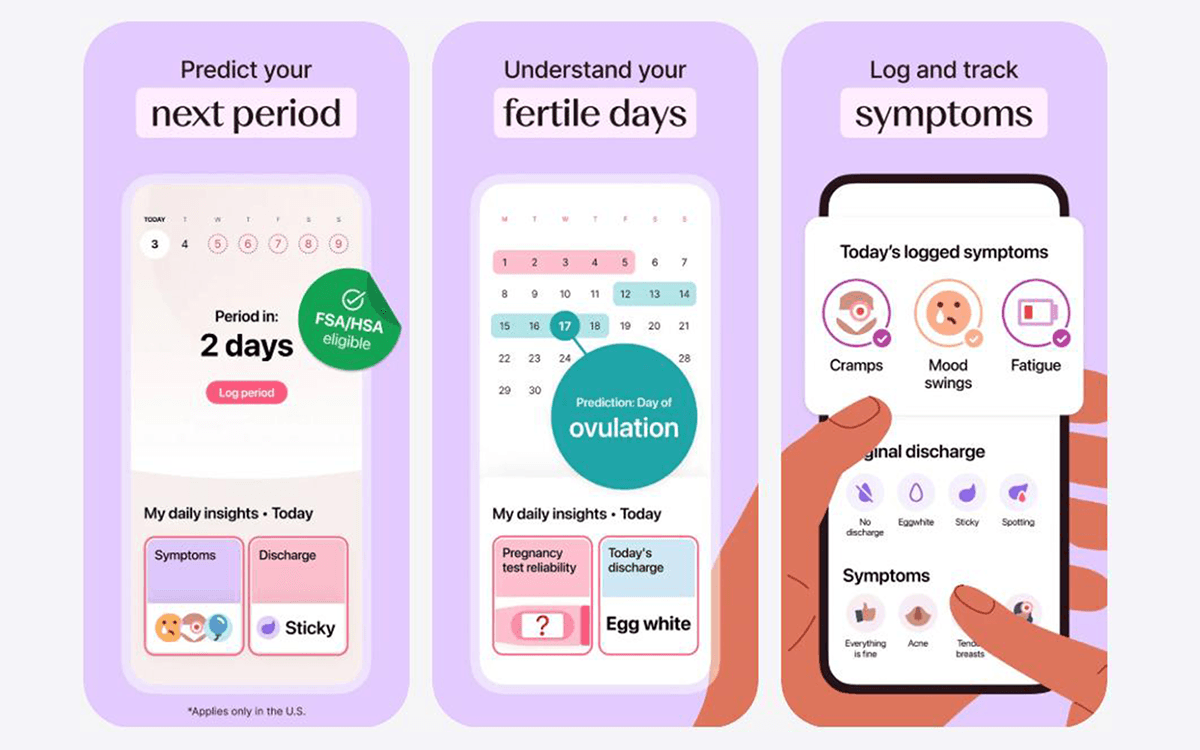
- Pregnancy vitamin tracking
- Weight & temperature logging
- Sleep & mood tracking
- Weekly baby development updates
- Birth plan & hospital bag PDFs
Standout Features
- •Seamless cycle tracking heritage
- •Advanced mood & symptom tracking
- •Strong period/fertility to pregnancy flow
- •Anonymous health insights
Not Available
- Photo/video memory tracking
- Kick counter
- Contraction timer
- Test schedule tracking
- Doctor visit logging
- Device integrations (smartwatch, voice)
Strengths
- +Massive user base (1.8M reviews)
- +Strong menstrual cycle & fertility tracking foundation
- +Clean, ad-free interface
- +Comprehensive mood and sleep tracking
- +Natural progression from trying to conceive through pregnancy
Limitations
- −Missing key pregnancy-specific features (kicks, contractions)
- −No wearable or voice assistant integration
- −Limited family collaboration options
- −No photo memory tracking
- −Test schedule tracking not available
Key Features
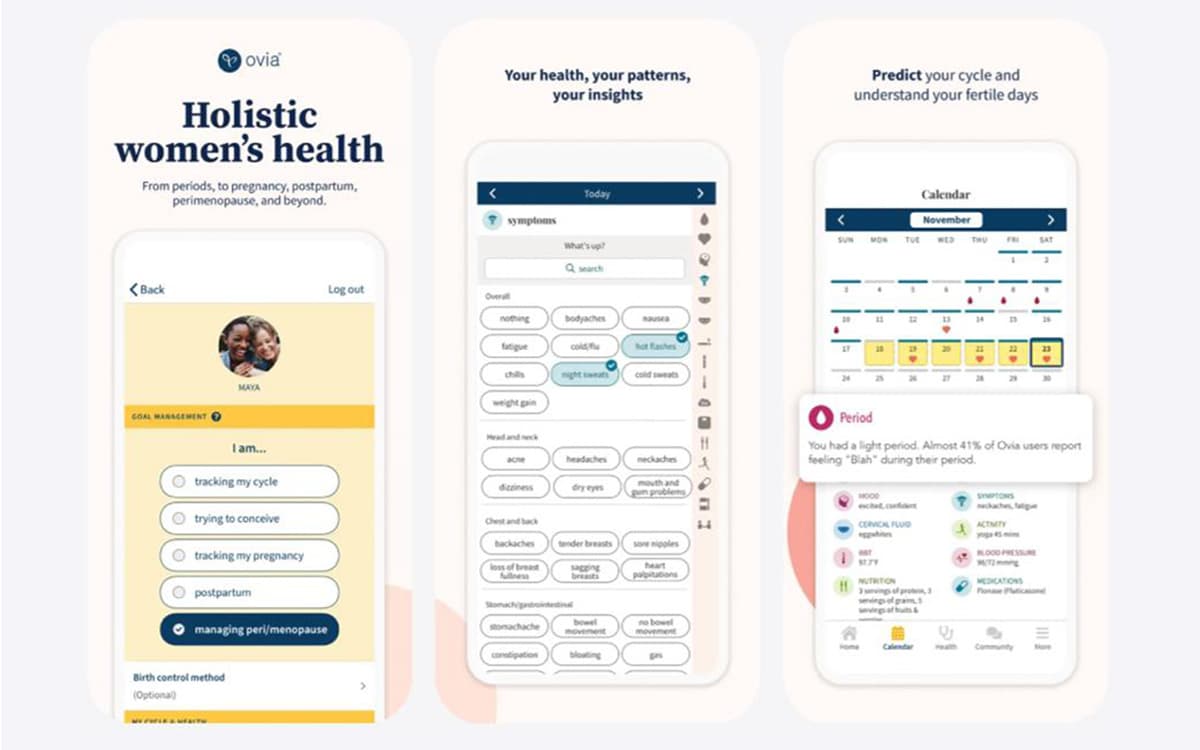
- Weekly baby development updates
- Health and wellness articles
- Baby name guide
- Due date calculator
Standout Features
- •Research-backed content
- •Healthcare provider partnerships
- •Employer health program integration
Not Available
- Data limited due to geographic restrictions
- Full feature set unavailable for comparison
Strengths
- +Scientific research foundation
- +Healthcare provider integration options
- +Employer benefit program compatibility
- +Personalized health insights
Limitations
- −Geographic availability limitations in some regions
- −Feature comparison limited by access restrictions
- −Smaller user base compared to Flo or What to Expect
Key Features
- Photo memory tracking
- Weight tracking
- Test schedule
- Kick counter & contraction timer
- Weekly development updates
Standout Features
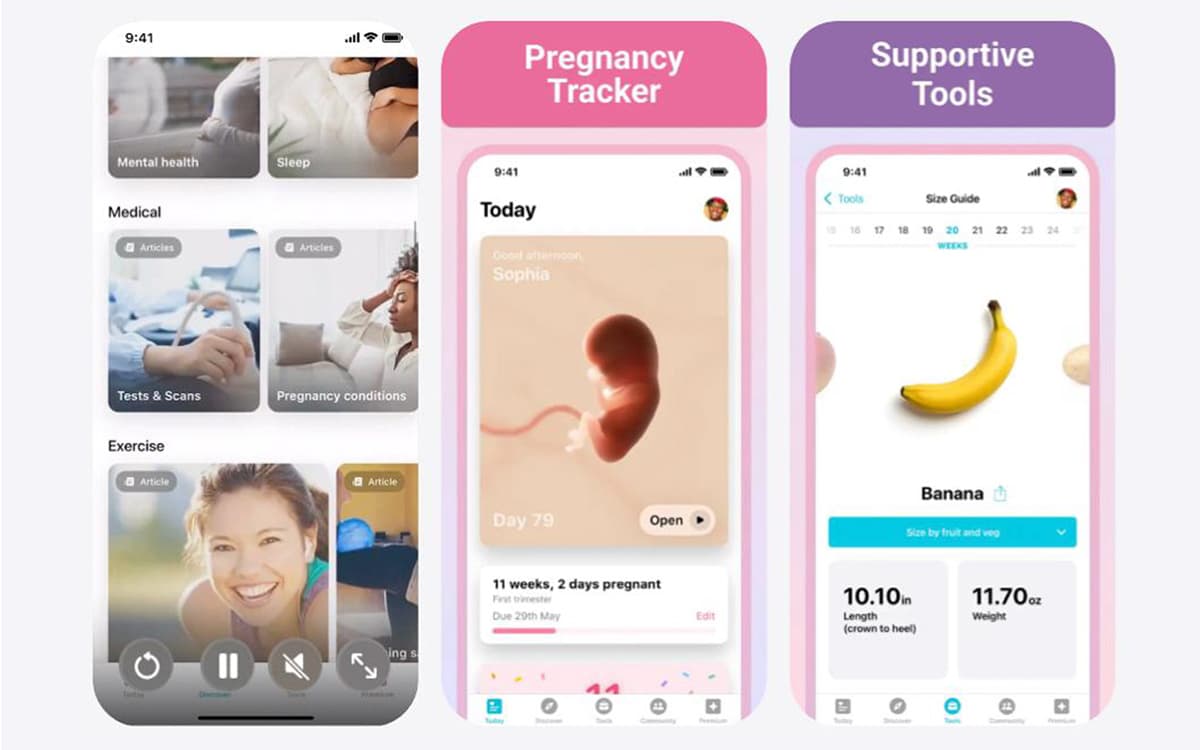
- •High-quality 3D baby visualizations
- •Detailed weekly development animations
- •Interactive pregnancy timeline
Not Available
- Medication/supplement tracking
- Blood pressure monitoring
- Temperature logging
- Sleep tracking
- Mood tracking
- Device integrations
- Caregiver sharing
- Baby mode continuation
Strengths
- +Beautiful 3D baby development visualizations
- +Comprehensive week-by-week articles
- +Essential birth tracking tools (kicks, contractions)
- +Hospital bag preparation checklist
- +Clean, focused interface
Limitations
- −Contains advertisements
- −Cannot continue using after baby arrives
- −Limited health monitoring capabilities
- −No family collaboration features
- −No integration with health devices or apps
- −Medication tracking not available
Key Features
- Photo memories and baby story
- Pregnancy vitamin tracking
- Weight tracking
- Kick counter
- Weekly baby development updates
Standout Features
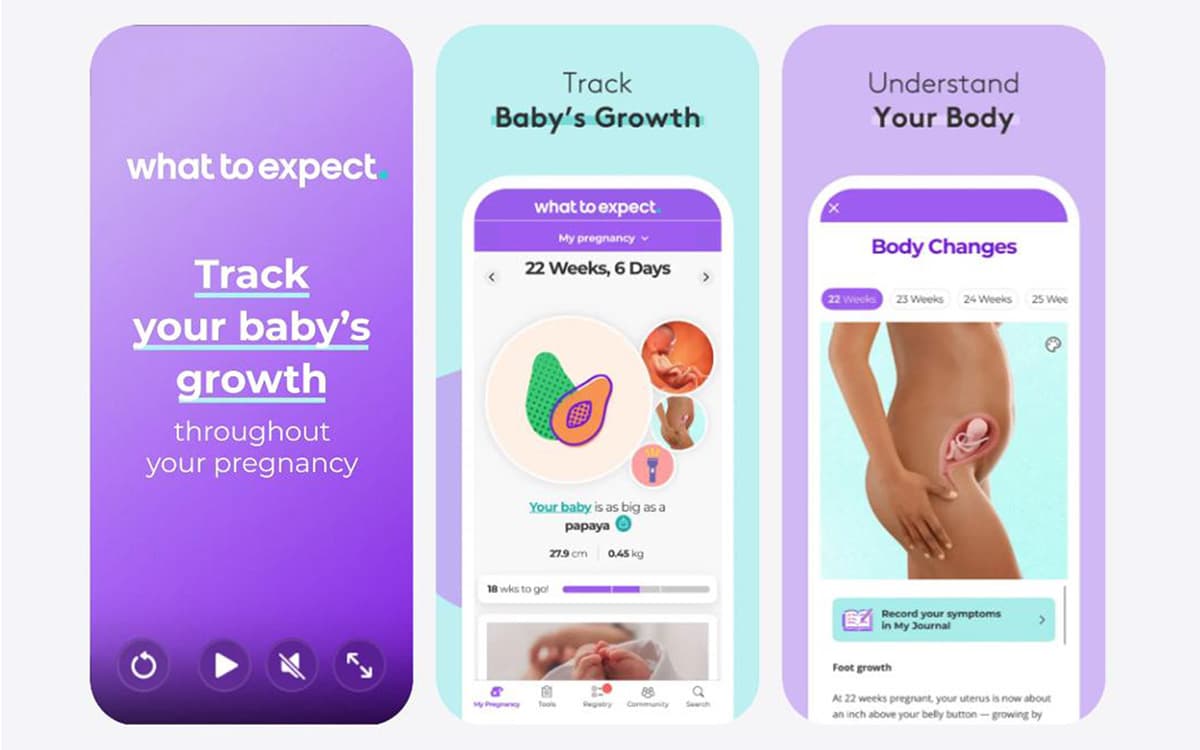
- •Trusted brand from bestselling pregnancy book series
- •Community groups by due date
- •Expert-reviewed content library
- •Birth story sharing platform
Not Available
- Blood pressure tracking
- Temperature logging
- Contraction timer
- Device integrations (smartwatch, voice)
- Multiple caregiver support
- Sleep tracking
Strengths
- +Trusted brand with decades of pregnancy expertise
- +Strong community features and birth clubs
- +Extensive expert-reviewed educational content
- +Photo memory preservation
- +Seamless baby mode transition
Limitations
- −Contains advertisements
- −Limited health tracking (no blood pressure, temperature, contractions)
- −No wearable device integration
- −No family collaboration tools
- −Advanced health monitoring features absent
Analysis Summary
Universal Features
Present in all or most apps (80-100% adoption)
- • Weight tracking
- • Weekly baby updates
- • Baby name guide
- • Due date calculator
- • Patterns and charts
- • Hospital bag checklist
Common Features
Present in 60-80% of apps
- • Photo memories
- • Kick counter
- • Test schedules
- • Medication tracking
- • Birth plan creation
- • Baby mode transition
Rare Features
Present in 20-40% of apps
- • Blood pressure tracking
- • Device integrations
- • Voice assistants
- • Doctor visit logs
- • Multiple caregivers
- • Mood tracking
Key Differentiators by App
BabyCenter: Largest community, extensive article library
Cubtale: Medical-grade tracking, full device integration
Flo: Cycle tracking heritage, massive user base (1.8M reviews)
Ovia: Healthcare provider partnerships, research-backed
Pregnancy+: 3D visualizations, focused pregnancy-only app
What to Expect: Trusted brand, expert-reviewed content
Methodology: This comparison analyzed 30 core pregnancy tracking features across 6 applications. Data was collected from App Store listings, public feature documentation, and hands-on testing where available (January 2026). Ratings and review counts reflect Apple App Store US data. Some features may vary by platform (iOS vs Android) or geographic region.
How We Evaluated These Apps
Medical Accuracy
Verified against official ACOG clinical guidelines to ensure medically sound information.
Privacy & Security
Privacy policies reviewed for GDPR and HIPAA compliance.
Feature Completeness
Evaluated core tools such as contraction timers, kick counters, and pregnancy tracking.
User Feedback
Analysis of 500+ App Store and Google Play reviews.
Real-World Testing
Each app tested for 30 days to evaluate usability and consistency.
Pregnancy App Feature Comparison Chart
Comprehensive analysis of features across leading pregnancy tracking applications
Health & Wellness Tracking
Comparing 8 features across 6 apps
| Feature | Cubtale | Flo | What to Expect | Pregnancy+ | Ovia | BabyCenter |
|---|---|---|---|---|---|---|
Memories80% adoption Track baby growth with photos and videos, start the baby story | ||||||
Meds & Supps60% adoption Track pregnancy vitamins, set daily reminders, partner can get reminders as well | ||||||
Weight100% adoption Track and log weight throughout pregnancy | ||||||
Weight feedback40% adoption Understand if you are on track with weight gain | ||||||
Blood Pressure20% adoption Log and monitor blood pressure | ||||||
Blood Pressure Feedback20% adoption Understand if you are doing well with blood pressure | ||||||
Temperature40% adoption Log and understand body temperature | ||||||
Mood40% adoption Track your mood throughout pregnancy |
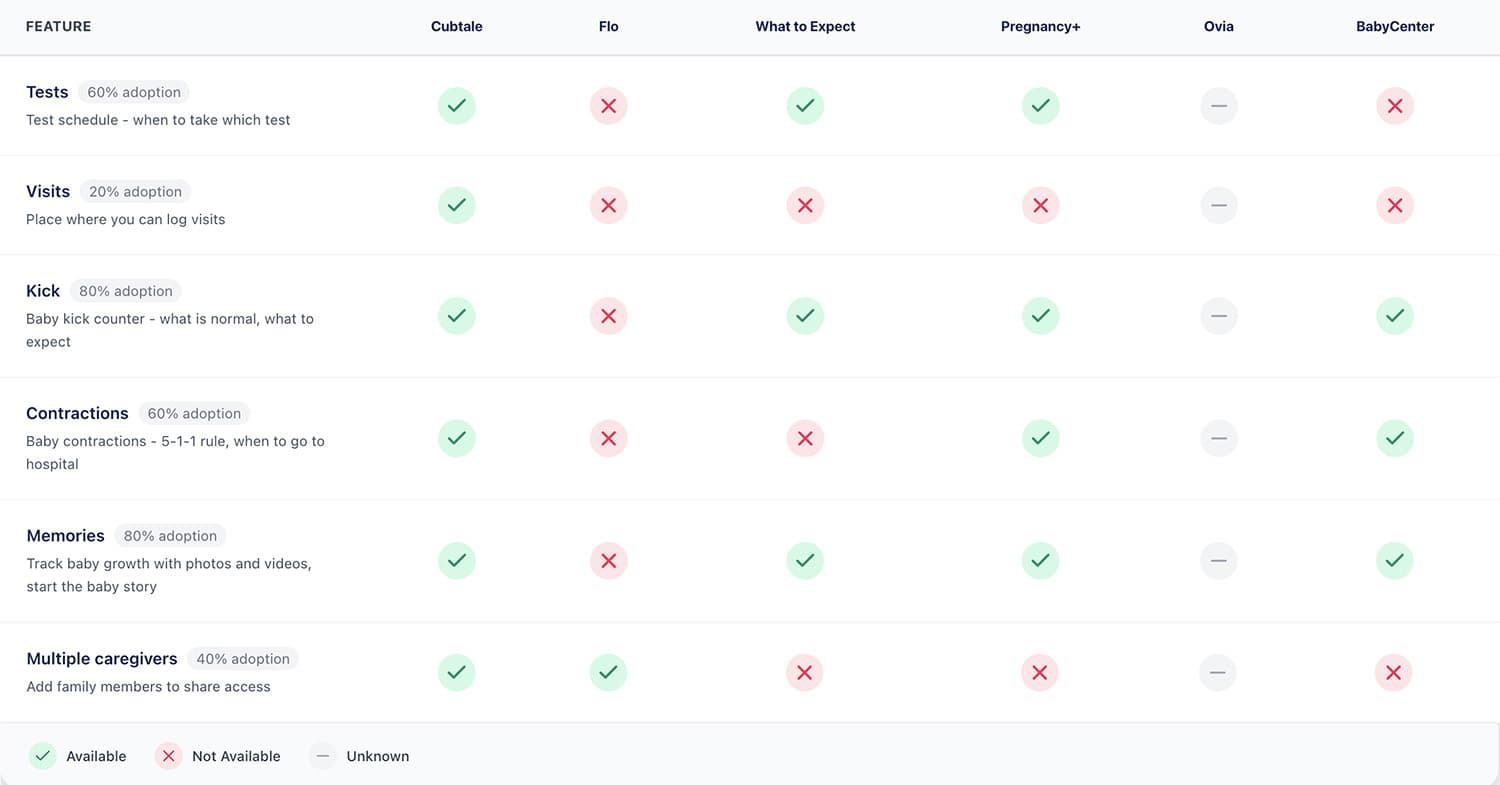
Save the chart to your phone!
Detailed comparison chart showing features, privacy ratings, and pricing of top 5 pregnancy tracker apps in 2026.
Frequently Asked Questions
Everything you need to know about choosing and using pregnancy tracking apps
Essential features include weight tracking, weekly baby development updates, kick counter, contraction timer, and photo memory storage. Advanced features like medication reminders, blood pressure tracking, doctor visit logs, and device integrations (Apple Watch, Fitbit) can provide additional value. Consider whether you need family sharing capabilities if multiple caregivers will be involved.
Apps vary significantly in health tracking capabilities. Cubtale offers the most comprehensive medical-grade tracking including blood pressure monitoring, temperature logging, doctor visit documentation, and medication reminders. Flo provides strong mood and sleep tracking. Most apps include basic weight tracking, but advanced health monitoring features are less common across the market.
Device integration varies by app. Currently, Cubtale is the only app in this comparison that integrates with Apple Health and Fitbit. Most pregnancy apps operate as standalone applications without syncing to health platforms or wearable devices. If device integration is important to you, verify compatibility before choosing an app.
Wearable device support is rare among pregnancy tracking apps. In this comparison, only Cubtale offers an Apple Watch companion app and Siri voice command integration. Most pregnancy apps are limited to smartphone interfaces and do not support smartwatch tracking or voice assistants.
Flo has the largest user base with 1.8 million App Store reviews, followed by BabyCenter (280K reviews) and What to Expect (368K reviews). Larger communities typically offer more active forums, birth clubs by due date, and peer support. However, app quality and features should be weighted alongside community size when making your decision.
Yes, several apps offer seamless transition to baby tracking mode. Cubtale, What to Expect, BabyCenter, and Flo all support continued use after birth for tracking feeding, diaper changes, sleep schedules, and baby development milestones. Pregnancy+ does not offer post-birth baby tracking functionality.
Free versions typically include basic tracking (weight, kicks, contractions) and weekly updates. Premium features often include unlimited photo storage, ad removal, advanced analytics and insights, multiple child tracking, medication reminders, printable reports, and extended data history. Specific premium offerings vary by app—review each app's pricing page for details.
Kick counters and contraction timers in apps are manual tracking tools—you tap to record each event, and the app calculates timing and patterns. Accuracy depends on user input rather than automated detection. These tools are helpful for monitoring patterns but should not replace medical advice. Always consult your healthcare provider about concerning changes in fetal movement or labor timing.
Most pregnancy apps allow data export, though methods vary. Some apps like Cubtale offer PDF report generation specifically designed for doctor visits. Others allow data export via email or print. Check your app's export features before your appointment. Some apps with healthcare provider partnerships may offer direct data sharing, but this is uncommon.
Multi-child tracking capabilities vary significantly. Look for apps that explicitly support multiple babies with separate profiles and tracking. Some apps like Cubtale offer multi-child tracking in premium tiers. When tracking twins or multiples, you'll need separate kick counters, growth tracking, and photo storage for each baby. Verify multi-child support before committing to an app.
Many pregnancy apps include contraction timers. BabyCenter, Cubtale, Pregnancy+, and What to Expect all offer contraction timing features. These typically track contraction duration, frequency, and pattern to help you identify true labor. The 5-1-1 rule (contractions 5 minutes apart, lasting 1 minute, for 1 hour) is commonly referenced. Flo currently does not include a contraction timer.
Most consumer pregnancy apps are not HIPAA-covered entities and therefore not bound by HIPAA regulations. However, reputable apps follow privacy best practices and data security standards. Review each app's privacy policy carefully. Apps with healthcare provider partnerships may have additional security measures. Never use pregnancy apps as a substitute for medical care or emergency services.
First-time parents often benefit from apps with extensive educational content and strong communities. What to Expect and BabyCenter offer trusted, expert-reviewed content libraries and active forums. Cubtale provides comprehensive tracking if you prefer detailed health monitoring. Flo works well if you've been using it for cycle tracking. Consider downloading 2-3 apps initially to find which interface and features match your preferences.
Most pregnancy apps require internet for initial setup and content updates, but basic tracking features typically work offline. Logged data usually syncs when you reconnect. Critical features like contraction timers and kick counters should function offline. Check specific app documentation if offline functionality is essential for your situation, such as areas with limited connectivity.
Pregnancy apps calculate due dates using standard obstetric methods based on the first day of your last menstrual period (LMP). Most apps calculate 280 days (40 weeks) from LMP. Some apps allow adjustment based on ultrasound dating, conception date, or IVF transfer date. Keep in mind that app calculations are estimates—your healthcare provider's dating based on ultrasound measurements is most accurate.
Blood pressure tracking availability is limited. In this comparison, only Cubtale offers dedicated blood pressure tracking with feedback on whether readings are within normal ranges. Blood pressure monitoring is particularly important for detecting preeclampsia and other pregnancy complications. If your provider recommends regular blood pressure monitoring, verify your chosen app supports this feature or consider using a dedicated blood pressure tracking app.
Medication tracking features vary by app. Cubtale, Flo, and What to Expect offer pregnancy vitamin and medication reminders. Features may include daily reminders, dosage tracking, and partner notifications. If you take prenatal vitamins, additional supplements, or medications during pregnancy, this feature can help ensure consistent compliance. Some apps limit reminders to free users; check premium requirements.
While no mainstream consumer apps are specifically designed for high-risk pregnancies, apps with comprehensive health tracking features may be beneficial. Look for apps offering blood pressure tracking, detailed symptom logging, medication management, and easy data export for healthcare providers. Apps like Cubtale with doctor visit logging and medical-grade tracking may be helpful. Always follow your healthcare provider's specific monitoring recommendations for high-risk pregnancies.
Consider these factors when choosing: (1) Essential features you need (tracking, timers, education), (2) Device compatibility and integrations, (3) Community size if peer support matters, (4) Visual design and user experience, (5) Privacy policies and data security, (6) Pricing model and premium features, (7) Whether you can continue using it after birth. Many users find downloading 2-3 top apps and trying them for a week helps identify the best fit for their specific needs and preferences.
Several pregnancy apps offer birth planning features. Cubtale, Flo, and What to Expect provide birth plan creation tools, often with customizable checklists and PDF export options. These typically cover preferences for pain management, delivery positions, immediate postpartum care, and newborn procedures. Hospital bag checklists are commonly included. While helpful for organization, always discuss your birth plan with your healthcare provider well before your due date.
Still have questions?
This comparison is regularly updated with new features and apps. Last updated: January 2026.
Medical Disclaimer: Pregnancy tracking apps are informational tools and should not replace professional medical advice, diagnosis, or treatment. Always consult with qualified healthcare providers for medical guidance during pregnancy.